Research overview Related protocols and comparisons GHK-Cu (50 mg Vial) Dosage Protocol GHK-Cu (100 mg Vial) Dosage Protocol BPC-157 (5 mg Vial) Dosage Protocol BPC-157 (10 mg Vial) Dosage Protocol TB-500 (5 mg Vial) Dosage Protocol TB-500 (10 mg Vial) Dosage Protocol BPC-157 + TB-500 (10 mg Blend) Dosage Protocol BPC-157 + TB-500 (20 mg Blend) Dosage Protocol
Best Time to Take AOD-9604 Timing may influence how effectively the peptide supports fat metabolism
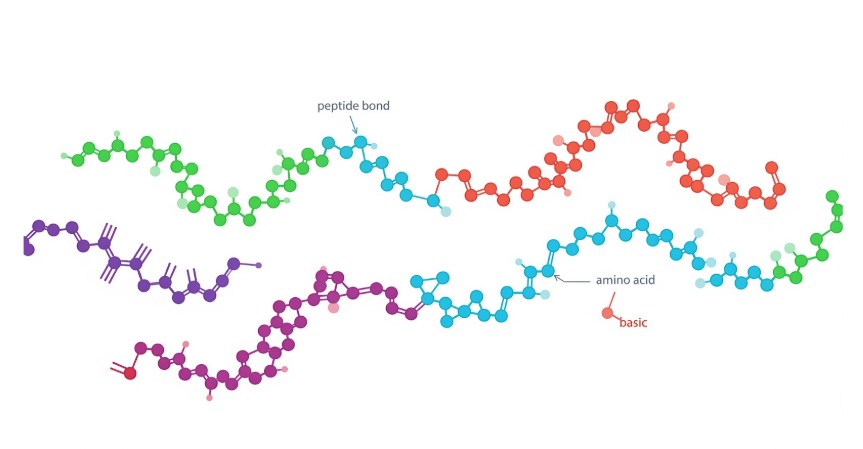
Your stomach produces hydrochloric acid with a pH between 1.5 and 3.5, specifically designed to denature proteins and peptides
We do not accept payment for placement on this list
Where they overlap and where they don't Complementary Mechanism Targets Target Origin BPC-157 Gastric juice protein fragment (15 amino acids) TB-500 Thymosin Beta-4 fragment (LKKTETQ region) Target Primary action BPC-157 Local tissue repair signaling TB-500 Systemic cell migration and mobilization Target Angiogenesis BPC-157 VEGF upregulation, NO pathway TB-500 Endothelial migration, VEGF crosstalk Target Cell migration BPC-157 Indirect, via growth factors TB-500 Direct (G-actin sequestering) Target Best-evidence tissue BPC-157 Tendon, gut, gastric mucosa (preclinical) TB-500 Cardiac, corneal, skin (preclinical + early human T4) Target Reported in vivo half-life BPC-157 ~4 hours (animal estimates) TB-500 ~23 days (animal estimates) Half-life figures are pharmacokinetic estimates from animal studies